Failure to Diagnose Lawyer

Suffering due to a failure to diagnose?

When a doctor fails to properly diagnose a medical condition, the patient loses a critical window to receive timely care. Studies show diagnostic errors impact around 5% of U.S. adults annually, with roughly half of those cases resulting in serious harm. Call 305.916.6455 for a free consultation.

Availability
24/7 · No fee unless we win
Licensed
State of Florida
Miami failure to diagnose lawyer

What are the required elements of a failure-to-diagnose case in Florida?

To establish a failure-to-diagnose malpractice claim, four elements must be proven: (1) duty of care — a provider-patient relationship existed; (2) breach — the provider failed to correctly diagnose the condition; (3) causation — the diagnostic failure directly caused harm; and (4) damages — measurable harm such as additional medical costs, pain, lost income, or long-term complications.

01

How Common Is Failure to Diagnose?

Diagnostic errors are a leading cause of patient harm and a significant factor in medical malpractice claims. According to the Institute of Medicine, most individuals will experience at least one diagnostic error in their lifetime — errors that, in some cases, can lead to serious or even life-threatening consequences. One study published in JAMA found that 23% of intensive care patients experienced a missed or delayed diagnosis, with 17% of those cases leading to temporary or permanent harm.

02

What Is Considered a Failure to Diagnose?

Legally, a failure to diagnose occurs when a healthcare provider does not identify a medical condition accurately and in a timely manner, resulting in harm or injury to the patient. To establish a legal claim, several key elements must typically be proven:

  • Duty of Care — provider-patient relationship requires competent treatment.
  • Breach of Duty — failing to correctly diagnose the condition, overlooking symptoms, not ordering tests, ignoring results, or failing to follow up.
  • Causation — the diagnostic failure was directly linked to the harm suffered.
  • Damages — additional medical costs, physical pain, emotional suffering, lost income, or long-term complications.

Not every diagnostic error amounts to malpractice — some conditions are difficult to detect. A valid claim must show both negligence and resulting harm.

03

Health Conditions That Are Often Undiagnosed

Accurately diagnosing medical conditions can be challenging — especially for illnesses with subtle or overlapping symptoms.

Cancer

The National Library of Medicine reports that missed or delayed cancer diagnoses account for 46% of primary care diagnostic errors, most frequently involving lung, colorectal, prostate, and breast cancers. 76% of these errors were due to clinical judgment mistakes, such as delays or failures in ordering diagnostic tests.

Mental Health

Over 40% of individuals in mental health care may be misdiagnosed — commonly with conditions like ADHD, autism, or bipolar disorder.

Heart Disease

Symptoms like fatigue, shortness of breath, or chest discomfort can mimic less serious conditions or be dismissed as signs of aging.

Autoimmune Disorders

Lupus, rheumatoid arthritis, multiple sclerosis — symptoms vary and resemble other conditions, complicating diagnosis.

Pulmonary Embolisms

Failing to diagnose dangerous blood clots in the lungs can cause life-threatening complications or death.

Diabetes

Can lead to organ damage, heart disease, nerve damage, and kidney failure if not caught.

Pregnancy Complications

Missing preeclampsia, gestational diabetes, Rh disease, or placental complications can quickly become life-threatening.

Children's Health

Symptoms attributed to ADHD may actually indicate OCD, PTSD, learning disorders, autism, anxiety, depression, or medical issues like hypothyroidism.


04

Why Do Doctors Make Diagnostic Errors?

Rushed Diagnoses

Time pressures and heavy workloads lead to incomplete histories and diagnostic shortcuts.

Communication Failures

Breakdowns between providers, patients, and across care settings.

Failure to Follow Up

Neglecting regular screenings or ongoing monitoring.

Cognitive Bias

  • Anchoring Bias — fixation on initial impressions.
  • Confirmation Bias — seeking info that supports existing beliefs.
  • Availability Bias — overemphasizing memorable diagnoses.
  • Overconfidence Bias — overestimating diagnostic abilities.
  • Base Rate Neglect — ignoring statistical likelihoods.

Gender and Racial Stereotypes

Research in BMJ Quality & Safety reveals that women and racial or ethnic minorities are 20% to 30% more likely to be misdiagnosed than white men.

Provider Inexperience

Less experienced clinicians may struggle to recognize rare or complex presentations.

05

Effects of Failure to Diagnose

  • Delayed Treatment — conditions worsen and recovery is complicated.
  • Increased Morbidity and Mortality — untreated cancer, infections, or heart disease.
  • Reduced Quality of Life — pain, emotional distress, disability.
  • Financial Burden — additional tests, treatments, hospital stays, lost income.
  • Psychological Impact — anxiety, depression, mistrust of healthcare.
  • Legal Consequences — potential malpractice claims.
06

Steps After a Doctor Failed to Diagnose Your Condition

  • Consult a medical malpractice attorney.
  • Gather documentation — test results, imaging reports, appointment notes.
  • Seek a second opinion to confirm whether a diagnosis was missed.
  • Understand Florida malpractice laws and deadlines.
  • Document your experience — symptoms, dates, interactions.
  • Consider alternative dispute resolution (mediation, arbitration).
  • File a complaint with the medical board if appropriate.
07

Types of Failure-to-Diagnose Claims

  • Misdiagnosis — incorrect condition identified, leading to improper or no treatment.
  • Delayed Diagnosis — the correct diagnosis is eventually made but too late.
  • Failure to Recognize Severity — underestimating the seriousness of a condition.
08

What Damages Are Available?

In failure-to-diagnose cases, damages can include compensation for medical bills, lost income, pain and suffering, loss of consortium, and — in cases of severe negligence or intentional harm — punitive damages.

09

Statute of Limitations in Florida

In Florida, the statute of limitations is generally two years from the date the malpractice occurred or from when the injury was or should have been discovered. Claims must be filed no later than four years from the date of the alleged malpractice.

10

How we build a failure to diagnose case

Every failure to diagnose matter moves through a disciplined four-phase process before it becomes a claim. We take this phased approach because medical malpractice cases live or die on the quality of the evidence — and evidence has to be built, not just collected.

Phase 1 — Intake & Triage

A confidential conversation about what happened. We review the facts, the timeline, and the statute-of-limitations posture. If the facts don't plausibly support a claim under Florida law, we say so — honestly. No case is accepted without this review.

Phase 2 — Record Reconstruction

We request every medical record, imaging study, lab result, operative note, nursing note, and provider communication relating to the care in question. Our attorneys and consulting experts then reconstruct the clinical timeline — what the standard of care required, what the provider actually did, and where the deviation occurred.

Phase 3 — Expert Consultation

Florida Statute § 766.102 requires a corroborating affidavit from a qualified medical expert before a malpractice lawsuit can be filed. That expert must practice in the same specialty as the defendant and meet statutory qualification thresholds. We retain board-certified specialists for every accepted case — not generalists, not in-house staff.

Phase 4 — Pre-Suit, Discovery, Resolution

Notice of Intent served, 90-day pre-suit investigation completed, lawsuit filed if the case continues to support the claim. Discovery: depositions of the providers, document production, additional expert reports. Most cases resolve at mediation once the evidence is laid out. When the offer doesn't reflect the value of the losses, we try the case.

11

Florida’s specific medical malpractice procedure

Florida medical malpractice cases are governed by Chapter 766 of the Florida Statutes, which imposes procedural requirements that sideline non-specialist firms before the case ever reaches discovery. Missing any one of these can end an otherwise-strong case.

Pre-suit investigation & Notice of Intent

Before filing a malpractice lawsuit in Florida, the plaintiff must complete a 90-day pre-suit investigation and serve a Notice of Intent on each prospective defendant. The pre-suit period tolls (pauses) the statute of limitations while it runs. Failure to serve proper notice can result in dismissal of the case on procedural grounds alone.

Corroborating expert affidavit

Florida requires a pre-suit affidavit from a qualified medical expert confirming there are reasonable grounds to believe medical negligence occurred. The expert must practice in the defendant's specialty and meet statutory qualifications under § 766.102, Fla. Stat.

Statute of limitations & statute of repose

Two years from the date of discovery (or when the injury reasonably should have been discovered) is the general rule. A hard four-year statute of repose bars any claim filed more than four years after the negligent act itself, regardless of discovery timing. Fraud or concealment can extend the repose window to seven years. Minors have until their eighth birthday.

Damages caps (and why they don’t apply today)

Florida previously capped non-economic damages in medical malpractice cases. The Florida Supreme Court ruled those caps unconstitutional in 2017 (North Broward Hosp. Dist. v. Kalitan). Today there are no practical caps on non-economic damages in a Florida medical malpractice case — a substantial change for catastrophic-injury and wrongful-death matters.

12

Why experience matters in failure to diagnose cases

Medical malpractice is a specialty — not a sideline of general personal injury practice. Florida's Chapter 766 requirements, the expert-qualification thresholds, the damages analysis, and the defense bar all demand firms that do this work full-time.

Our founder has handled more medical malpractice cases than nearly any single lawyer in the United States. That depth of experience shows up in three ways:

  • Expert network. Over 15 years of practice, we've built relationships with board-certified specialists in every relevant discipline who meet Florida's expert-qualification standards and can hold up in cross-examination.
  • Research library. The firm maintains an internal library of Florida standard-of-care authorities, relevant clinical guidelines, and case-law precedent specific to each practice area we handle.
  • Defense-bar reputation. Insurance carriers and hospital-system defense counsel know our name. That reputation lets us negotiate from strength, because every defendant knows a rejected settlement means a Florida courtroom with a firm prepared to try the case.
Free Consultation

Think you have a failure to diagnose case in Florida?

Florida’s statute of limitations is strict — two years from discovery, with a four-year statute of repose. The only way to know where you stand is a confidential consultation. Free, no obligation.

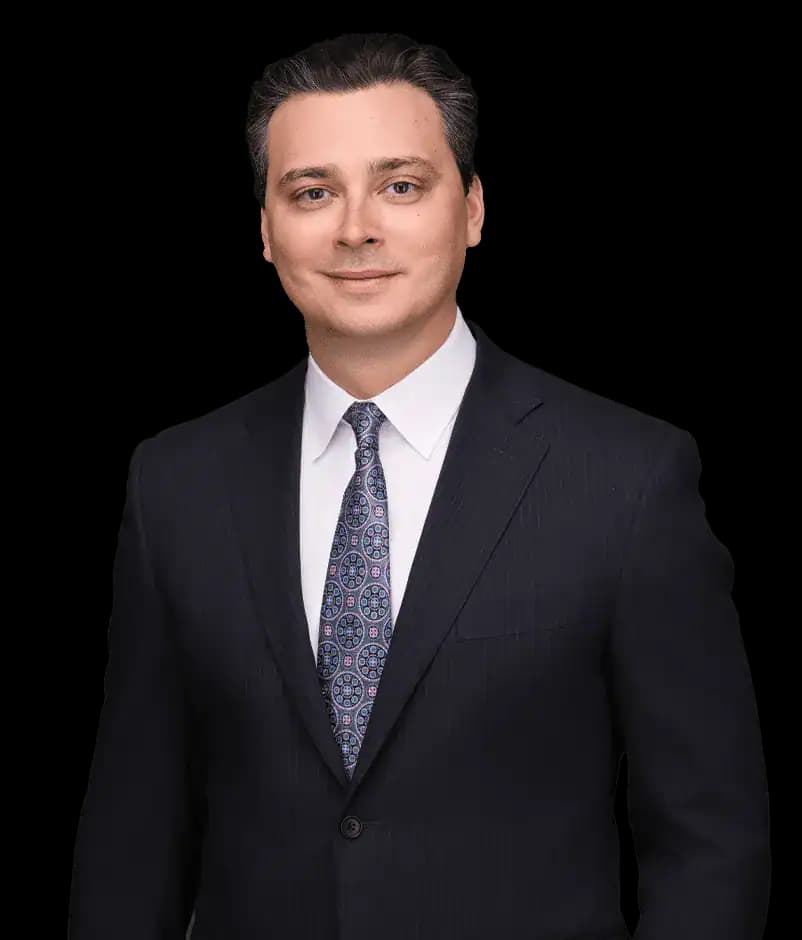
Adam J. Zayed, founder and managing trial attorney at Zayed Law Offices
Meet Your Attorney

Adam J. Zayed

Founder & Managing Trial Attorney — Zayed Law Offices

$150M+Recovered for Clients
100%Illinois Appellate Win Rate
15+Years in Trial Practice

Adam J. Zayed is the founder and managing trial attorney of Zayed Law Offices, a nationally recognized, multi-office firm representing individuals and families in catastrophic personal injury, medical malpractice, and wrongful death matters.

Mr. Zayed has recovered more than $150 million for injured clients and has represented plaintiffs in billion-dollar mass tort litigations. He carefully limits his caseload so every case receives the attention, craft, and strategic development needed to fully articulate each client’s losses.

Education

  • Juris DoctorNotre Dame Law School
  • MBA (Dean’s List)University of Chicago Booth School of Business
  • Bachelor’s, High HonorsLoyola University Chicago
  • Bar AdmissionsIllinois · Florida (national practice)

Honors & Associations

  • Top 40 — The National Trial Lawyers (Civil Plaintiff)
  • Top 25 Medical Malpractice Trial Lawyers
  • 10.0 Avvo Rating — Top Attorney
  • Super Lawyers 2025
  • Best Lawyers in America
  • Million Dollar Advocates Forum
Client Voices
Their dedication and hard work really show. I highly recommend this firm to anyone looking for trustworthy and reliable legal help.
FAQ

Frequently Asked Questions

Common questions about failure-to-diagnose claims in Florida. Call 305.916.6455 for a free consultation.

Free Consultation

Get your free case evaluation today

Do you think you have a medical malpractice case based on an injury caused by a healthcare provider that occurred in Florida?

Miami skyline near our office
Location

Find Us

Miami Medical Malpractice Lawyers
804 NW 21 Terrace, Suite 205
Miami, FL 33127

Call 24/7305.916.6455

Get Directions