
A missed or delayed diagnosis is one of the most common sources of medical malpractice — and often the most costly, because time is the variable that turns treatable into terminal. This library covers the specialties most commonly involved, the diagnostic patterns that recur in missed-cancer, missed-cardiac, and missed-infection cases, and what the legal standard requires of every clinician making a differential call.
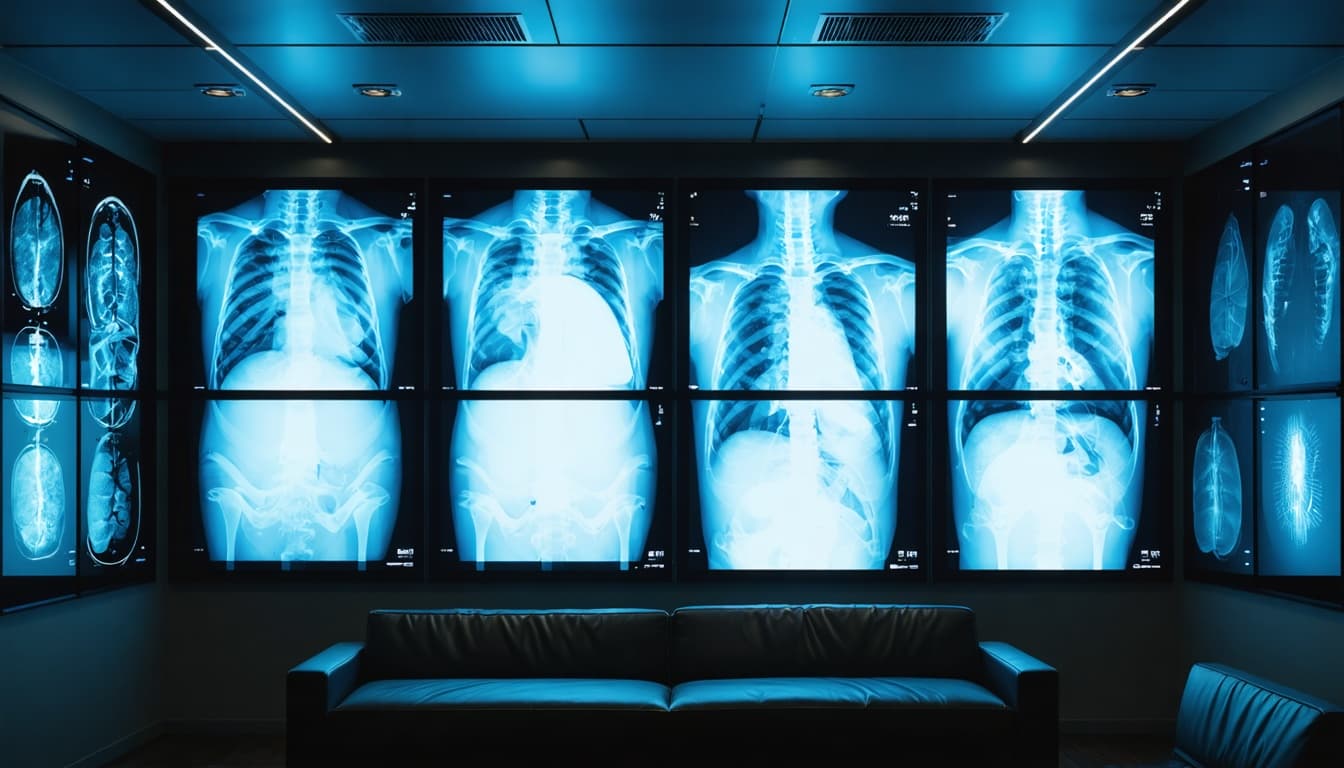
What is failure to diagnose in a Florida medical malpractice case?
Failure to diagnose is a medical malpractice claim built on a diagnosis that was possible but missed — a cancer that was documented in imaging but not recognized, a heart attack sent home from the ER, a sepsis screen that fired and went unanswered. Florida cases require a corroborating expert affidavit under § 766.102 and must show the delay caused measurable harm through stage progression, organ damage, or death.

Latest from our failure to diagnose research library










Adam J. Zayed
Founder & Managing Trial Attorney — Zayed Law Offices
Adam J. Zayed is the founder and managing trial attorney of Zayed Law Offices. He has recovered more than $150 million for injured clients and represented plaintiffs in billion-dollar mass tort litigations.
He carefully limits his caseload so every case receives the attention, craft, and strategic development needed to fully articulate each client’s losses — building cases brick by brick through statistics, strategy, and behavioral science.
Frequently Asked Questions
Common questions Miami families ask after a diagnosis that should have been made earlier changes the outcome they are living with.
Failure to diagnose — and its close cousin, delayed diagnosis — describes a case in which a provider missed a condition a reasonably prudent provider would have recognized, or caught it too late to change the outcome. Cancer, heart attack, sepsis, stroke, pulmonary embolism, and aortic dissection are the categories that dominate the litigation. The common thread is timing: the diagnosis was possible, it was missed, and the delay caused measurable harm.
A misdiagnosis is when the provider names the wrong condition and treats the patient for it. Failure to diagnose is when the provider does not make the diagnosis at all — the patient is sent home, reassured, or told to follow up later, and the underlying condition continues to progress. The legal analysis is similar for both, but the evidentiary pattern differs. Misdiagnosis cases often involve a chart full of treatment for the wrong thing; failure-to-diagnose cases often involve a chart with no meaningful workup at all.
Cancer (particularly breast, colon, lung, and melanoma), acute myocardial infarction in the emergency department, sepsis and septic shock, stroke, pulmonary embolism, appendicitis, and ectopic pregnancy. Each has an established standard-of-care framework, each has recurring failure patterns, and each has the kind of documented outcomes that support expert causation opinions. Our library covers the three that dominate the adult-medicine docket: missed cancer, missed heart attack, and missed sepsis.
Proof rests on three elements. First, the records — primary care, ER, imaging, labs, and pathology — from the period before the correct diagnosis, showing what information was available. Second, the records of the subsequent correct diagnosis, showing what the missed finding actually was. Third, expert testimony from a board-certified specialist in the relevant field who can opine that the standard of care was breached and that earlier diagnosis would have produced a measurably better outcome. Florida Statute § 766.102 requires a corroborating expert affidavit before any lawsuit can be filed.
Frequently, yes. Survival is not a defense to a delayed-diagnosis claim. A patient diagnosed with Stage III cancer who should have been diagnosed at Stage I has real, quantifiable damages — more extensive surgery, chemotherapy the patient would have avoided, reduced long-term survival expectations, and non-economic losses. A patient who survived a missed heart attack but has permanent heart failure has damages. A sepsis survivor with chronic kidney disease and cognitive impairment has damages. The damages calculus shifts, but the case does not disappear.
Generally two years from the date the injury was discovered — often the date of the belated correct diagnosis or, in fatal cases, the date of death. Florida imposes a four-year outer limit from the negligent act, extended to seven years in cases of fraud or intentional concealment. For minors, the statute runs until the eighth birthday. Every medical malpractice case requires a 90-day pre-suit investigation and a corroborating expert affidavit under Florida Statute § 766.102 before suit is filed. Delay in consulting counsel is consequential.
The only reliable way is a free consultation with a Florida medical malpractice firm that will order the records and engage the right specialist expert. Qualified firms do this work on contingency — there is no fee unless we recover — and we only accept cases where the records and the expert review support the claim. For our library, start with the spoke that matches your facts: missed cancer, missed heart attack, or missed sepsis. Each walks through the pattern, the standard of care, and what the case looks like when it is built properly.
Get your free case evaluation today
Do you think you have a medical malpractice case based on an injury caused by a healthcare provider that occurred in Florida?

Find Us
Miami Medical Malpractice Lawyers804 NW 21 Terrace, Suite 205
Miami, FL 33127
Call 24/7305.916.6455
Get Directions